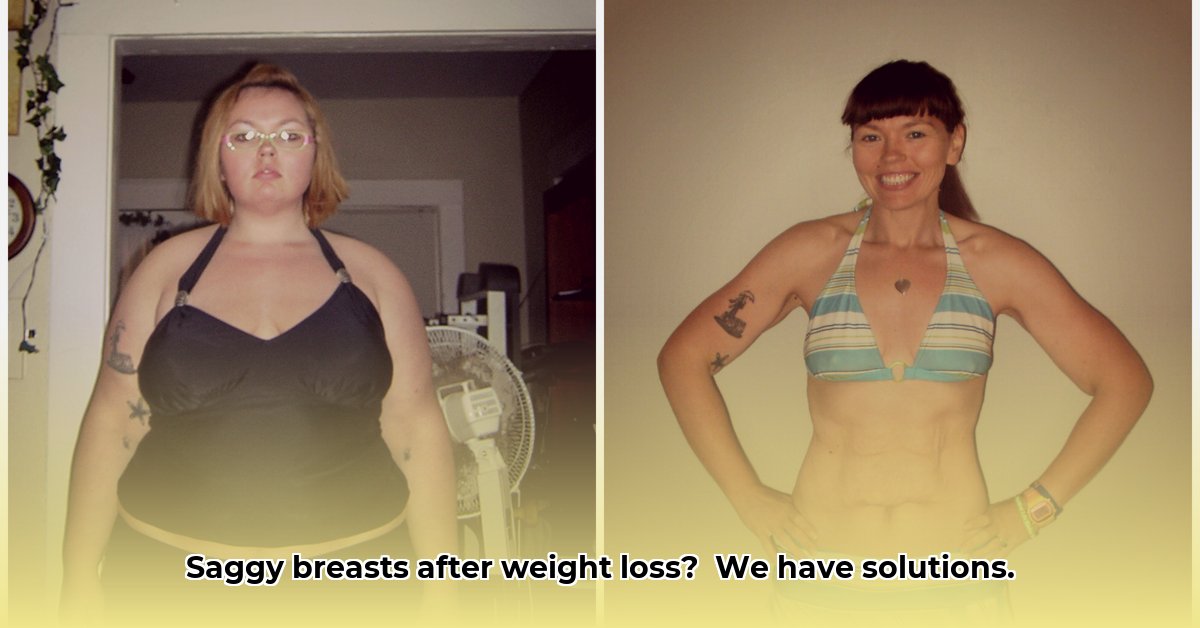
Losing weight is a significant accomplishment, but it can sometimes lead to unexpected changes in your body. Many women experience breast sagging after weight loss, leaving them feeling self-conscious. This comprehensive guide explains why this happens and provides actionable steps to address it, from lifestyle adjustments to medical interventions. We’ll empower you to make informed decisions and regain confidence in your body. For more before & after photos, see this helpful resource.
Understanding Breast Sagging After Weight Loss
Breast tissue is primarily composed of fat, glandular tissue, and connective tissue. Significant weight loss reduces the fat content, leading to a decrease in breast volume. This rapid reduction in size can stretch the skin and underlying connective tissue, resulting in sagging. Think of an inflated balloon suddenly deflating — the material loses its tautness. Hormonal fluctuations during weight loss can also contribute to decreased skin elasticity. Finally, genetics and age play a role: some individuals naturally have more elastic skin than others.
Key Takeaways: Preventing and Addressing Sagging Breasts
- Gradual Weight Loss is Key: Slow and steady weight loss gives your skin time to adapt, minimizing sagging.
- Targeted Exercise Strengthens Support: Strength training, especially exercises that engage your pectoral muscles, significantly improves breast support and tone.
- Supportive Bras are Essential: Properly fitted bras provide crucial lift and support, preventing excessive breast movement and subsequent sagging.
Lifestyle Adjustments for Improved Breast Support
While completely preventing sagging after significant weight loss might be challenging, you can significantly minimize it with focused lifestyle adjustments.
1. Gradual Weight Loss: The Gentle Approach
Aim for a healthy weight loss rate of 1-2 pounds per week. This slow and steady approach allows your skin to adapt gradually, reducing the risk of significant stretching. Rapid weight loss dramatically increases the likelihood of sagging.
2. Strength Training: Building Inner Support
Incorporate strength training exercises into your routine, focusing on your chest muscles (pectorals). These exercises increase muscle mass, providing underlying support for your breasts and giving them a more lifted appearance. Examples include:
- Push-ups: A classic exercise that effectively targets the pectoral muscles.
- Dumbbell Presses: Offers more resistance for building muscle strength.
- Chest Flyes: Works the pectoral muscles with a focus on improving shape.
3. Nutrition for Skin Elasticity: Fueling Firmness
A balanced diet plays a vital role in maintaining skin elasticity. Prioritize:
- Lean Protein: Essential for building and repairing tissues, including skin.
- Healthy Fats (Omega-3s and Omega-6s): Support skin health and elasticity.
- Antioxidants: Protect cells from damage, contributing to overall skin health. Include fruits and vegetables rich in vitamins A, C, and E.
Avoid crash diets, which can negatively impact your skin's health and increase the likelihood of sagging.
4. Hydration and Skincare: Maintaining Suppleness
Staying well-hydrated is crucial for healthy skin. Drink plenty of water throughout the day. Incorporate a daily moisturizing regimen to keep your skin supple and hydrated.
5. Supportive Bras: The Foundation of Lift
Invest in well-fitting, supportive bras that provide adequate lift and minimize breast movement. Get professionally fitted to ensure you're wearing the correct size and style for your shape and activity levels. Your bra size may change as you lose weight, so regular fittings are important.
6. Posture: Natural Lift
Maintaining good posture significantly impacts breast appearance. Stand tall with your shoulders back and chest lifted. Good posture alleviates strain on your chest muscles, naturally improving breast lift.
Non-Surgical Options for Breast Firmness
Several non-surgical options may offer modest improvements in breast firmness. However, it's crucial to manage expectations, as these methods may not produce dramatic results.
1. Topical Treatments: Creams and Lotions
Some topical creams and lotions containing ingredients like retinol or hyaluronic acid claim to improve skin elasticity. Research the ingredients and choose reputable products. Results can vary significantly, and effectiveness is often temporary.
2. Massage: Stimulating Circulation
Regular gentle massage of the breasts can stimulate blood circulation, potentially improving skin tone and elasticity. However, scientific evidence supporting its effectiveness is limited.
Surgical Options: When Lifestyle Changes Aren't Enough
If lifestyle adjustments and non-surgical options haven't yielded satisfactory results, surgical interventions might be considered. These procedures, however, should be carefully evaluated considering potential risks, recovery time, and costs.
1. Breast Lift (Mastopexy): Reshaping and Lifting
A breast lift removes excess skin and repositions breast tissue to create a firmer, more lifted shape.
2. Breast Augmentation: Restoring Volume
Breast augmentation involves inserting implants to restore volume lost during weight loss.
Important Note: Consult a qualified plastic surgeon to discuss all surgical options, including the risks, benefits, and suitability for your individual circumstances.
Choosing the Right Path: A Personalized Approach
The best approach to addressing breast sagging after weight loss depends on your individual needs, goals, and preferences. Consider:
- Severity of Sagging: Mild sagging may respond well to lifestyle changes, while significant sagging might require surgical intervention.
- Personal Preferences: Consider your comfort level with different procedures and treatments.
- Budget: Surgical options are significantly more expensive than lifestyle changes or non-surgical approaches.
- Overall Health: Your overall health and any pre-existing medical conditions should be factored into your decision.
Prioritize your overall well-being and make informed choices based on your specific needs and priorities. Discuss your options thoroughly with your doctor or a plastic surgeon to determine the most appropriate course of action.
Embracing Realistic Expectations and Self-Acceptance
It's vital to accept that some degree of change in breast shape is often inevitable after significant weight loss. Focus on your overall health and well-being. Cultivate a positive body image, embracing the changes in your body with confidence. Remember, your self-worth is not determined by your physical appearance.